

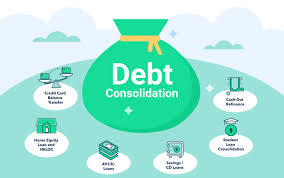
Debt Consolidation Options
Managing multiple debts can be stressful, costly, and confusing. High interest rates, multiple payments, and complex loan structures can quickly overwhelm anyone. Debt consolidation options provide a solution by combining multiple debts into a single loan, often with lower interest rates and simplified payments. This guide explores various options, technical terms, pros and cons, and strategies to select the best solution for your financial situation.
What is Debt Consolidation?
Debt consolidation is the process of combining multiple debts credit cards, personal loans, or other liabilities—into a single loan or repayment plan. By consolidating debts, borrowers can often reduce interest rates, streamline monthly payments, and gain better control over finances.
The primary goals of debt consolidation include:
-
Lowering monthly payments
-
Reducing interest rates
-
Simplifying debt management
-
Preventing missed payments
-
Improving credit score over time
Why Consider Debt Consolidation in 2025?
With economic challenges, fluctuating interest rates, and rising credit card debt, debt consolidation is increasingly relevant in 2025. Benefits include:
-
Lower overall interest costs
-
Single monthly payment for ease
-
Reduced financial stress
-
Potential credit score improvement
-
Opportunities to negotiate better repayment terms
Debt consolidation is suitable for individuals struggling to manage multiple debts or looking to save money and simplify payments.
Key Types of Debt Consolidation Options
There are several ways to consolidate debt, each with distinct features and suitability.
1. Personal Loans for Debt Consolidation
Personal loans allow borrowers to combine multiple debts into a single loan. Key features:
-
Fixed interest rate
-
Fixed term (12–60 months)
-
Single monthly payment
Pros: Simplified payments, predictable schedules, potential lower interest rates
Cons: May require good credit, origination fees
2. Balance Transfer Credit Cards
Balance transfer cards let you transfer existing high interest credit card balances to a new card with low or 0% introductory APR.
Pros: Temporary interest-free period, reduces interest cost
Cons: Balance transfer fees, high post-intro APR, requires good credit
3. Home Equity Loans or HELOCs
Homeowners can use home equity loans or lines of credit (HELOCs) to consolidate debt.
Pros: Lower interest rates, tax-deductible interest in some cases
Cons: Puts your home at risk if payments are missed, closing costs
4. Debt Management Plans (DMPs)
Offered by credit counseling agencies, DMPs involve consolidating payments through the agency. They negotiate with creditors for lower interest rates or waived fees.
Pros: Professional guidance, structured repayment plan, lower interest rates
Cons: Monthly service fees, may require closing credit card accounts
5. Debt Settlement Programs
Debt settlement involves negotiating with creditors to pay less than the full balance owed.
Pros: Potential reduction in total debt, structured settlements
Cons: Can harm credit score, may result in tax consequences, risk of scams
Factors to Consider When Choosing a Debt Consolidation Option
Selecting the right option requires evaluating multiple factors:
-
Interest Rates – Compare APRs across consolidation methods.
-
Fees – Origination, balance transfer, or service fees can add costs.
-
Credit Score – Affects eligibility and rates.
-
Collateral Requirement – Secured loans risk assets like your home.
-
Repayment Term – Longer terms reduce monthly payments but increase total interest.
-
Financial Discipline – Ability to avoid accumulating new debt.
-
Tax Considerations – Certain loans may have tax-deductible interest.
-
Lender Reputation – Check for reliability and reviews.
-
Flexibility – Early repayment or modification options.
-
Personal Goals – Credit score improvement, monthly budget relief, or total debt reduction.
Steps to Consolidate Debt Effectively
-
List All Debts – Include balances, interest rates, and minimum payments.
-
Check Your Credit Score – Helps determine eligibility and interest rates.
-
Explore Options – Evaluate personal loans, balance transfers, HELOCs, or DMPs.
-
Compare Offers – Look at interest, fees, repayment terms, and flexibility.
-
Calculate Savings – Estimate monthly payment reduction and total interest savings.
-
Choose the Best Option – Select based on affordability and long-term benefit.
-
Execute the Plan – Transfer balances or set up repayment schedule.
-
Avoid New Debt – Commit to disciplined spending.
-
Monitor Progress – Track payments and check credit score improvements.
-
Adjust as Needed – Refinance or modify the plan if circumstances change.
Tips to Improve Success With Debt Consolidation
-
Avoid opening multiple new credit accounts simultaneously
-
Stick to a strict budget
-
Automate payments to avoid late fees
-
Communicate with creditors if financial issues arise
-
Consider professional guidance from reputable credit counselors
Common Mistakes to Avoid
-
Using debt consolidation as a quick fix without addressing spending habits
-
Failing to compare interest rates and fees
-
Ignoring potential impact on credit score
-
Taking out a secured loan without understanding the risk
-
Falling for scams or unlicensed debt settlement companies
FAQs
What is the fastest way to consolidate debt?
Personal loans and balance transfer credit cards are often the quickest methods, depending on credit score and lender processing times.
Can debt consolidation hurt my credit score?
Initially, it may cause a small dip due to hard inquiries, but responsible repayment can improve your score over time.
Is debt settlement better than consolidation?
Debt settlement may reduce total debt but can harm your credit and carries tax risks. Consolidation is usually safer.
Can I consolidate debt with bad credit?
Yes, but options may be limited and interest rates higher. Credit counseling or secured loans may be alternatives.
Are there tax benefits to debt consolidation?
Some home equity loans or HELOCs may offer tax-deductible interest. Consult a tax professional.
How do I avoid falling into new debt after consolidation?
Create a budget, track spending, avoid new credit cards, and maintain financial discipline.
Conclusion
Debt consolidation options provide an effective way to simplify payments, lower interest costs, and regain control over your finances in 2025. Choosing the right method depends on your credit score, financial goals, and personal discipline. Personal loans, balance transfer cards, HELOCs, DMPs, and debt settlement programs all have advantages and drawbacks. By carefully evaluating options, calculating potential savings, and committing to responsible financial habits, you can reduce debt stress, improve your credit score, and achieve financial stability.
Always consult reputable financial advisors or credit counselors before making major decisions and stay informed about your credit and repayment progress to maximize the benefits of debt conso