Newsletter Subscribe
Enter your email address below and subscribe to our newsletter
Enter your email address below and subscribe to our newsletter

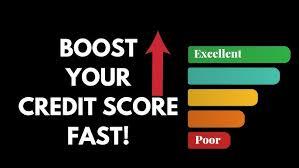
Your credit score plays a vital role in your financial life. A higher credit score can help you get loans with lower interest rates, qualify for better credit cards, and improve your overall financial health. This guide explains how to improve your credit score fast, practical steps, and tips for long term success.
A credit score is a numerical representation of your creditworthiness. Lenders use it to determine how risky it is to lend money to you. Scores generally range from 300 to 850, with higher scores indicating better credit.
Excellent: 760 – 850
Good: 700 – 759
Fair: 660 – 699
Poor: 300 – 659
Credit scores are calculated based on your payment history, credit utilization, length of credit history, types of credit, and recent credit inquiries.
Lower interest rates on loans and credit cards
Better approval chances for mortgages and car loans
Higher credit limits
Insurance premium reductions
Stronger financial credibility for renting apartments
A better credit score means more financial opportunities and lower costs over time.
Paying bills on time is the single most important factor. Late payments, defaults, or collections negatively impact your score.
This is the ratio of your credit card balances to your total credit limit. Keep it below 30% for optimal scoring.
The longer your credit history, the better. This includes the age of your oldest account and the average age of all accounts.
A mix of credit types credit cards, loans, mortgages—shows lenders that you can manage different types of debt responsibly.
Applying for multiple loans or credit cards in a short period can temporarily lower your score.
High balances hurt your credit utilization ratio. Focus on paying down cards with the highest utilization first.
Make more than the minimum payment
Pay off small balances to reduce the number of active debts
Avoid closing accounts after paying them off
Set up automatic payments or reminders
Prioritize loans and cards with past due amounts
Avoid missing future due dates
Consistency in payments builds positive credit history quickly.
Requesting a credit limit increase can lower your utilization ratio if balances remain the same.
Contact your card issuer
Avoid using new credit excessively
Ensure your payment history is solid
Only apply for credit when necessary
Space out applications by several months
Too many hard inquiries can signal risk to lenders
Check your credit report for errors:
Incorrect balances
Wrong personal information
Accounts you did not open
Dispute inaccuracies with credit bureaus to potentially raise your score.
Installment loans (car, mortgage) and revolving credit (credit cards) improve your credit mix.
Responsible management across types boosts your score.
Older accounts improve the length of your credit history. Avoid closing accounts with good payment history unless necessary.
Join a family member’s or friend’s credit card as an authorized user
Benefits from their good payment history and credit age
Make sure the primary cardholder maintains good habits

Avoid missed payments with auto-pay
Schedule payments for due dates
Consistent on-time payments improve your score steadily
Negotiate with creditors to pay off collections
Request removal from the credit report if possible
Paid collections are viewed more favorably than unpaid
Credit Utilization – Balance-to-limit ratio
Hard Inquiry – Credit check during applications
Soft Inquiry – Credit check for pre-approval or monitoring
Installment Loan – Loan paid in fixed payments
Revolving Credit – Credit card or line of credit
Charge-Off – Debt deemed uncollectible by lender
Collections – Debt sent to collection agency
Authorized User – Person added to someone else’s credit account
Credit Mix – Types of credit in your profile
Dispute – Challenging incorrect info on your report
Missing payments or paying late
Closing old credit cards unnecessarily
Opening too many new accounts at once
Ignoring errors on your credit report
Using more than 30% of your available credit
You can see improvements in a few weeks to months depending on your actions, such as paying down balances and correcting errors.
Yes, especially if it reduces your credit utilization ratio, but timing with reporting cycles matters.
Yes, by paying loans on time and using credit-building tools like secured cards or authorized user accounts.
Yes, soft inquiries do not affect your credit score.
Yes, typically by a few points temporarily.
Yes, if errors are verified and corrected by credit bureaus, your score can improve.
Improving your credit score fast in 2025 is achievable with the right strategies. Focus on timely payments, reducing credit utilization, disputing errors, and maintaining a healthy mix of credit accounts. Consistency, monitoring your credit, and responsible financial habits are key. A higher credit score opens the door to lower interest rates, better loan approval chances, and long-term financial health.