Newsletter Subscribe
Enter your email address below and subscribe to our newsletter
Enter your email address below and subscribe to our newsletter


Understanding minimum car insurance coverage is essential for every driver. Insurance laws vary by state or country, but having the legally required coverage ensures you meet liability obligations while driving. Choosing only the minimum coverage can save money on premiums, but it may not fully protect you in severe accidents or lawsuits.
This guide explores what minimum car insurance coverage is, state requirements, coverage types, pros and cons, and tips for maintaining legal compliance while protecting your finances.
Minimum car insurance coverage refers to the least amount of auto insurance required by law in a particular state or jurisdiction. Typically, it includes liability coverage, which pays for damages or injuries you cause to others in an accident.
Minimum coverage ensures that drivers can pay for another party’s injuries or property damage but often does not cover your own vehicle or medical costs.
While requirements vary, most minimum car insurance policies include:
Covers medical expenses, lost wages, and legal fees for others injured in an accident you cause.
Pays for repair or replacement of other people’s property damaged by your vehicle.
Collision coverage (repairs to your own car)
Comprehensive coverage (theft, fire, natural disasters)
Personal injury protection (PIP) or medical payments coverage
Minimum insurance requirements vary significantly across the United States. Some states follow liability-only mandates, while others require personal injury protection.
Examples:
Florida: $10,000 PIP and $10,000 property damage liability
California: $15,000 per person / $30,000 per accident bodily injury, $5,000 property damage
Texas: $30,000 / $60,000 bodily injury, $25,000 property damage
Drivers must check their specific state requirements to ensure compliance.
Lower Premiums: Minimal coverage keeps monthly payments affordable.
Legal Compliance: Meets state insurance laws and avoids penalties.
Simplicity: Easy to understand and maintain.
Limited Protection: Often does not cover your own injuries or car repairs.
High Financial Risk: You may be responsible for costs exceeding policy limits.
No Coverage for Non-Accident Losses: Theft, fire, or natural disasters are not covered.
Potential Legal Liability: In severe accidents, minimum limits may be insufficient to cover claims.
Drivers on a tight budget
Those with older vehicles of lower value
Residents seeking basic legal compliance
Individuals with low-risk driving history
Even so, drivers should weigh potential out of pocket costs in case of serious accidents.
Understand Your State Requirements – Laws differ, so check local mandates.
Consider Increasing Liability Limits – Even slightly higher coverage can protect against lawsuits.
Bundle Policies – Combining auto with home or renters insurance can reduce costs.
Maintain a Good Driving Record – Lower accident risk can keep premiums affordable.
Use Discounts – Safe driver, low-mileage, and defensive driving course discounts can save money.
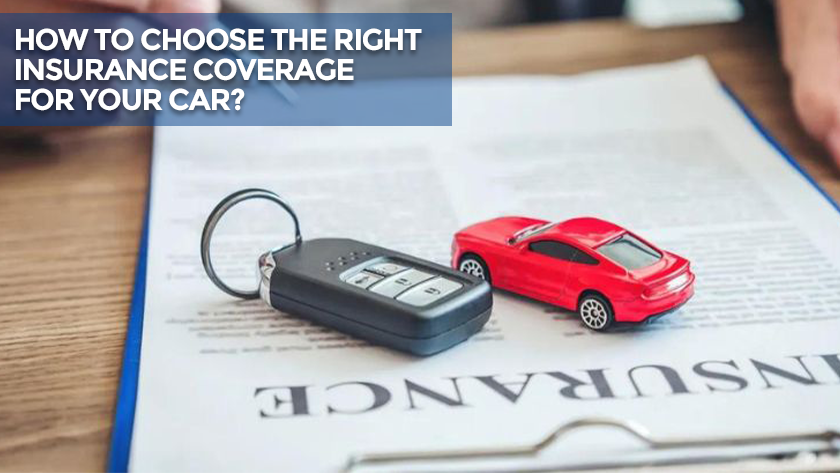
Minimum coverage: Legally required, usually only liability. Affordable, but limited protection.
Full coverage: Includes collision and comprehensive policies to cover your own vehicle, medical bills, and extensive protection. Higher premiums but much safer financially.
Many drivers start with minimum coverage but add full coverage for newer vehicles or higher-risk situations.
Premiums for minimum car insurance depend on:
State requirements
Age and driving experience
Vehicle type and value
Credit score (in some states)
Driving record
On average, minimum coverage is significantly cheaper than full coverage, but consider potential financial exposure in accidents.
You meet legal requirements, but your financial risk remains high if damages exceed your policy limits.
No, minimum coverage likely won’t cover repairs or replacement of a new or expensive vehicle.
No, driving without at least the state-mandated minimum insurance can result in fines, license suspension, or legal penalties.
Yes, if you want protection for your own vehicle, higher liability, or additional coverages like collision and comprehensive.
United States: Varies by state, liability required in all states.
Canada: Mandatory liability coverage in all provinces; optional collision/comprehensive.
UK: Minimum coverage is third-party liability.
Australia: Compulsory Third Party (CTP) insurance is required in all states, similar to minimum liability coverage.
Understanding regional requirements ensures you are compliant while avoiding unnecessary risks.
Assuming minimum coverage protects your own vehicle
Not verifying state-specific requirements
Failing to consider future financial risks
Ignoring optional coverage for medical and property expenses
Letting policies lapse, which can lead to legal penalties
Assess your vehicle value and repair costs.
Evaluate your budget for premiums and deductibles.
Check state minimum requirements carefully.
Consider additional coverage for peace of mind.
Compare multiple insurance providers to find the best rate and service.
While minimum car insurance coverage satisfies legal requirements, it may not provide adequate protection in serious accidents. Drivers should weigh the affordability of minimum coverage against potential financial risks and consider additional coverage where necessary. Choosing the right combination ensures compliance, financial security, and peace of mind on the road.