Newsletter Subscribe
Enter your email address below and subscribe to our newsletter
Enter your email address below and subscribe to our newsletter

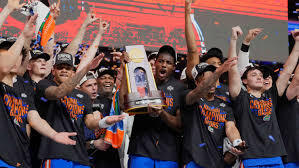
The National Collegiate Athletic Association (NCAA) plays a crucial role in collegiate sports across the United States. Florida is home to some of the most competitive NCAA programs, providing student-athletes with opportunities to excel both academically and athletically. This guide explores Florida NCAA programs, athletic opportunities, academic strategies, and tips for achieving success on and off the field.
Florida hosts numerous NCAA institutions across Division I, II, and III. These universities offer high-quality academic programs alongside rigorous athletic training. Participation in NCAA sports requires dedication, time management, and a balance between academics and athletics.
Key NCAA institutions in Florida include:
These universities are renowned for their athletic excellence and strong academic programs.
The University of Florida (UF) Gators compete at the highest NCAA level, with a strong emphasis on football, basketball, baseball, and swimming. UF also supports academic success with dedicated student-athlete programs, tutoring, and career services.
FSU Seminoles are recognized for their athletic and academic achievements. FSU offers comprehensive programs in STEM, business, and liberal arts while maintaining competitive sports programs.
The Miami Hurricanes excel in baseball, football, and swimming. Student-athletes receive strong academic advising and access to top-tier research and internship opportunities.
While Division I schools are high-profile, Division II and III institutions focus on providing competitive athletics while maintaining academic balance. Examples include:
These programs emphasize student athlete development, academic achievement, and community involvement.
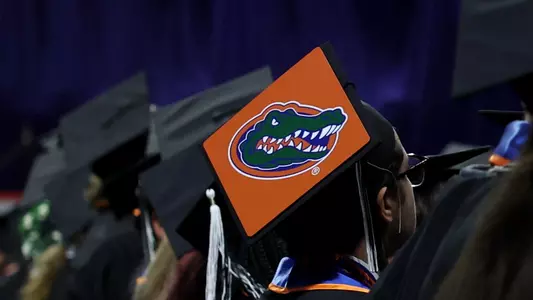
Balancing athletics and academics is challenging. NCAA programs provide structured support to ensure student-athletes succeed:
These resources help student-athletes maintain eligibility and excel in their studies.
Joining an NCAA program involves meeting academic and athletic requirements:
International student-athletes must also meet English proficiency and visa requirements.
NCAA institutions invest heavily in athletic facilities, including:
These resources enhance performance and reduce injury risks.
Implementing these strategies ensures student-athletes succeed in both academics and sports.
Graduates from Florida programs have access to diverse career paths:
Strong alumni networks provide mentorship and career guidance for student-athletes.
Many Florida NCAA universities offer hybrid and online courses for student-athletes who need flexible schedules. Online learning maintains the same academic standards as on-campus programs.
Major NCAA programs include University of Florida, Florida State University, University of Miami, University of Central Florida, and Florida Atlantic University.
Balancing is challenging, but Florida NCAA programs provide tutoring, mentoring, and structured schedules to support student-athletes.
Yes, hybrid and online programs allow flexibility while maintaining academic standards.
Student-athletes must meet GPA, core course, amateurism, and standardized test requirements as outlined by the NCAA.
Florida NCAA programs provide student-athletes with the perfect combination of athletic excellence and academic opportunity. Understanding program requirements, leveraging academic support, and applying effective strategies can help student-athletes succeed on and off the field. By balancing training, academics, and career preparation, Florida NCAA participants can achieve long-term success in sports, education, and professional life.