Newsletter Subscribe
Enter your email address below and subscribe to our newsletter
Enter your email address below and subscribe to our newsletter

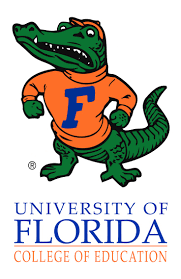
A university’s mascot is more than just a symbol seen at sporting events—it represents history, pride, tradition, and institutional identity. For students, alumni, and fans, mascots create a sense of belonging and unity that extends far beyond campus grounds. The University of Florida, one of the most prestigious public universities in the United States, is globally recognized not only for academic excellence but also for its powerful and iconic mascot.
This guide explores the meaning, history, and cultural significance of the University of Florida mascot, while also highlighting how school identity and spirit contribute positively to student engagement and academic success.
The University of Florida mascot name is Albert the Alligator, commonly known simply as the Gator. Alongside Albert, the university also features Alberta Gator, creating one of the most recognizable mascot duos in American college athletics.
The alligator was chosen because it is native to Florida and symbolizes strength, resilience, and adaptability—qualities that align with the university’s mission and values.
Alligators are indigenous to Florida’s wetlands, rivers, and lakes. Selecting the alligator as the mascot reflects a deep connection to the state’s natural heritage.
The gator represents fearlessness and determination—traits that resonate with both athletes and scholars at the university.
Unlike more common mascots, the alligator stands out nationally, helping the University of Florida build a distinctive and memorable brand.
The Gator identity dates back to the early 1900s when the term “Gators” was first associated with University of Florida students and athletes. Over time, the mascot evolved into a formal symbol of the institution.
Albert the Alligator made his official debut in the 1950s, with Alberta joining later to promote inclusivity and community engagement. Today, both mascots play an essential role in university life.
The Gator mascot is a centerpiece at football games, basketball tournaments, and other athletic events. It energizes crowds and builds enthusiasm among students and fans.
Mascots participate in orientation programs, graduation ceremonies, and campus outreach events, helping new students feel connected from day one.
The mascot serves as a powerful symbol that keeps alumni emotionally connected to the university long after graduation.

Strong institutional identity has a measurable impact on student performance. When students feel proud of their university, they are more likely to remain engaged, motivated, and persistent in their academic journey.
Mascots help foster unity, which is linked to higher retention and graduation rates.
School pride boosts confidence and encourages participation in both academic and extracurricular activities.
Shared symbols like mascots strengthen social bonds, contributing to a supportive learning environment.
While the mascot captures attention, the University of Florida is equally known for its academic achievements. The institution consistently ranks among the top public universities in the United States.
Key academic strengths include:
Research innovation
STEM and health sciences
Business and law programs
Public service and sustainability initiatives
The Gator identity complements these strengths by reinforcing a culture of excellence and perseverance.
In today’s digital era, mascots play a critical role in branding and global recognition. The University of Florida uses its mascot effectively across:
Digital marketing
Recruitment campaigns
Merchandise and licensing
Social media engagement
A strong mascot identity enhances visibility and reinforces trust among prospective students and parents.
The official mascot is Albert the Alligator, often referred to as the Gator.
The alligator is native to Florida and symbolizes strength, resilience, and adaptability.
Yes, the university features both Albert and Alberta Gator.
Yes, mascots contribute to school spirit, engagement, and a strong sense of community.
The Gator mascot has become a nationally recognized symbol through:
NCAA athletic success
Media exposure
Alumni achievements
Academic leadership
This recognition enhances the university’s reputation and adds long-term value to a UF degree.
Mascots are increasingly used as tools for:
Leadership development
Community outreach
Diversity and inclusion initiatives
Student recruitment
The University of Florida leverages its mascot to promote positive values and institutional goals.
The University of Florida Mascot Name represents far more than school athletics—it embodies tradition, pride, and excellence. Albert the Alligator stands as a symbol of resilience and unity, reinforcing a culture that supports both academic achievement and personal growth.
By combining strong institutional identity with world-class education, the University of Florida continues to inspire students, alumni, and communities worldwide.