
Introduction
Choosing a college major is one of the most important decisions a student can make. Understanding what type of majors are there helps students align their interests, skills, and career goals. This guide provides an overview of major categories, examples of popular majors, and strategies for achieving academic success in any field.
Overview of College Majors
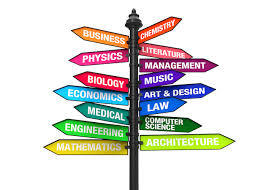
College majors are academic programs that focus on a specific subject area. Majors provide students with knowledge, skills, and practical experience related to their chosen field. Universities typically organize majors into broad categories such as STEM, Humanities, Social Sciences, Business, Arts, and Health Sciences.
Why Choosing the Right Major Matters
- Determines your academic and career trajectory
- Influences internships, research, and job opportunities
- Helps develop specialized skills and expertise
- Enhances personal growth and satisfaction
Types of Majors
1. STEM Majors (Science, Technology, Engineering, Math)
STEM majors focus on analytical and technical skills and are often high-demand in the job market.
Examples:
- Computer Science
- Mechanical Engineering
- Biology
- Mathematics
- Environmental Science
2. Humanities Majors
Humanities majors explore culture, history, and human experiences, fostering critical thinking and communication skills.
Examples:
- English Literature
- Philosophy
- History
- Languages
- Religious Studies
3. Social Science Majors
Social sciences examine human behavior, society, and relationships.
Examples:
- Psychology
- Sociology
- Political Science
- Anthropology
- Economics
4. Business Majors
Business majors focus on management, finance, marketing, and entrepreneurship.
Examples:
- Finance
- Marketing
- Accounting
- International Business
- Management
5. Arts and Design Majors
These majors emphasize creativity and practical skills in visual and performing arts.
Examples:
- Graphic Design
- Fine Arts
- Music
- Theater
- Film Studies
6. Health and Medical Majors
Health-related majors prepare students for careers in medicine, nursing, and healthcare administration.
Examples:
- Nursing
- Public Health
- Pre-Med/Medicine
- Physical Therapy
- Pharmacy
7. Interdisciplinary Majors
Interdisciplinary majors combine multiple fields to address complex problems.
Examples:
- Environmental Studies
- Cognitive Science
- Data Science
- International Relations
- Bioinformatics

Factors to Consider When Choosing a Major
- Personal interests and passions
- Strengths and skills
- Career opportunities and job market demand
- Academic workload and difficulty
- Graduate school or professional goals
Academic Strategies for Success
Proven Tips
- Explore introductory courses in multiple fields
- Seek academic advising and career counseling
- Participate in internships and research opportunities
- Join clubs and student organizations related to your major
- Develop time management and study skills
Applying these strategies increases your chances of excelling academically and professionally.
Career Opportunities by Major
STEM Careers: Software Engineer, Data Scientist, Biologist, Civil Engineer
Humanities Careers: Writer, Historian, Editor, Translator, Educator
Social Science Careers: Sociologist, Psychologist, Policy Analyst, Economist
Business Careers: Financial Analyst, Marketing Manager, Entrepreneur, Accountant
Arts Careers: Graphic Designer, Musician, Actor, Filmmaker
Health Careers: Nurse, Physician, Physical Therapist, Public Health Specialist
Career paths often expand further with graduate or professional education.
Online Learning and Flexible Options
Many universities offer online or hybrid programs, enabling students to explore multiple majors, take interdisciplinary courses, or balance academics with work or athletics.
Frequently Asked Questions (AEO Section)
How many types of majors are there?
Majors are broadly categorized into STEM, Humanities, Social Sciences, Business, Arts, Health Sciences, and Interdisciplinary studies.
Can I switch majors in college?
Yes, most universities allow students to switch majors, usually with guidance from academic advisors.
Do different majors affect career prospects?
Yes, some majors have higher demand and earning potential, but all majors offer valuable skills for diverse careers.
Are interdisciplinary majors beneficial?
Yes, interdisciplinary majors combine multiple skill sets, enhancing problem-solving and employability.

Conclusion
Understanding what type of majors are there is crucial for making informed decisions about your academic and professional future. By exploring different fields, leveraging academic resources, and applying effective strategies, students can excel in their chosen majors and achieve long-term success in their careers and personal growth.