

Introduction
University rankings, known in Japanese as 大学ランキング, provide valuable insights into the academic reputation, research quality, and educational offerings of institutions. Understanding these rankings helps students make informed decisions, choose the right programs, and implement strategies for academic success.
Overview of University Rankings
University rankings evaluate institutions based on various metrics, including academic reputation, faculty qualifications, research output, student satisfaction, and graduate outcomes. Both global and national rankings provide a benchmark for comparing universities.
Top Universities in Japan:
- University of Tokyo (東京大学)
- Kyoto University (京都大学)
- Osaka University (大阪大学)
- Tohoku University (東北大学)
- Nagoya University (名古屋大学)
These universities are consistently ranked at the top for academic excellence and research contributions.
Factors Affecting University Rankings
- Research output and citations
- Faculty qualifications and awards
- Student-to-faculty ratio
- Graduation and employment rates
- Internationalization and global partnerships
- Academic reputation surveys
Understanding these factors helps students assess the quality of education and potential career opportunities.
Academic Programs Offered
Undergraduate Programs:
- Engineering and Technology
- Natural Sciences and Mathematics
- Humanities and Social Sciences
- Business and Economics
- Medicine and Health Sciences
Graduate Programs:
- Master’s and Doctoral Programs in STEM, Humanities, Business, and Medicine
- Professional Degrees and Certifications
- Research-focused programs and laboratory work
These programs provide a blend of theoretical knowledge, practical experience, and research opportunities.
Admissions Process and Requirements
Undergraduate Admissions:
- High school diploma or equivalent
- Entrance examinations (e.g., National Center Test)
- Essays and personal statements
- Letters of recommendation (where applicable)
- Extracurricular involvement and achievements
Graduate Admissions:
- Bachelor’s degree from an accredited institution
- GRE/GMAT (if applicable) or standardized exams
- Statement of purpose
- Letters of recommendation
- Research experience and publications
International students may need to provide proof of Japanese or English language proficiency.
Campus Life and Student Experience
- Student organizations, cultural clubs, and societies
- Athletics, arts, and extracurricular programs
- Academic advising, mentorship, and counseling
- Community engagement and volunteer opportunities
Active participation in campus life enhances academic performance, social development, and networking.
Tuition, Financial Aid, and Scholarships
- Tuition varies by university and program
- Scholarships for merit, need, and international students
- Grants, fellowships, and work-study options
Planning finances ahead ensures access to top-ranked programs.
Research Opportunities and Facilities
- State-of-the-art laboratories, libraries, and technology centers
- Undergraduate and graduate research projects
- Partnerships with industry and global institutions
- Faculty mentorship for research guidance
Research involvement fosters critical thinking, problem-solving, and professional skills.
Career Services and Alumni Network
- Internship placements and career counseling
- Alumni mentorship and networking events
- Professional development workshops and seminars
These resources enhance career readiness and help students transition from academia to professional life.
Online and Flexible Learning Options
Many universities offer online courses, hybrid programs, and part-time study options, allowing students to access quality education regardless of location.
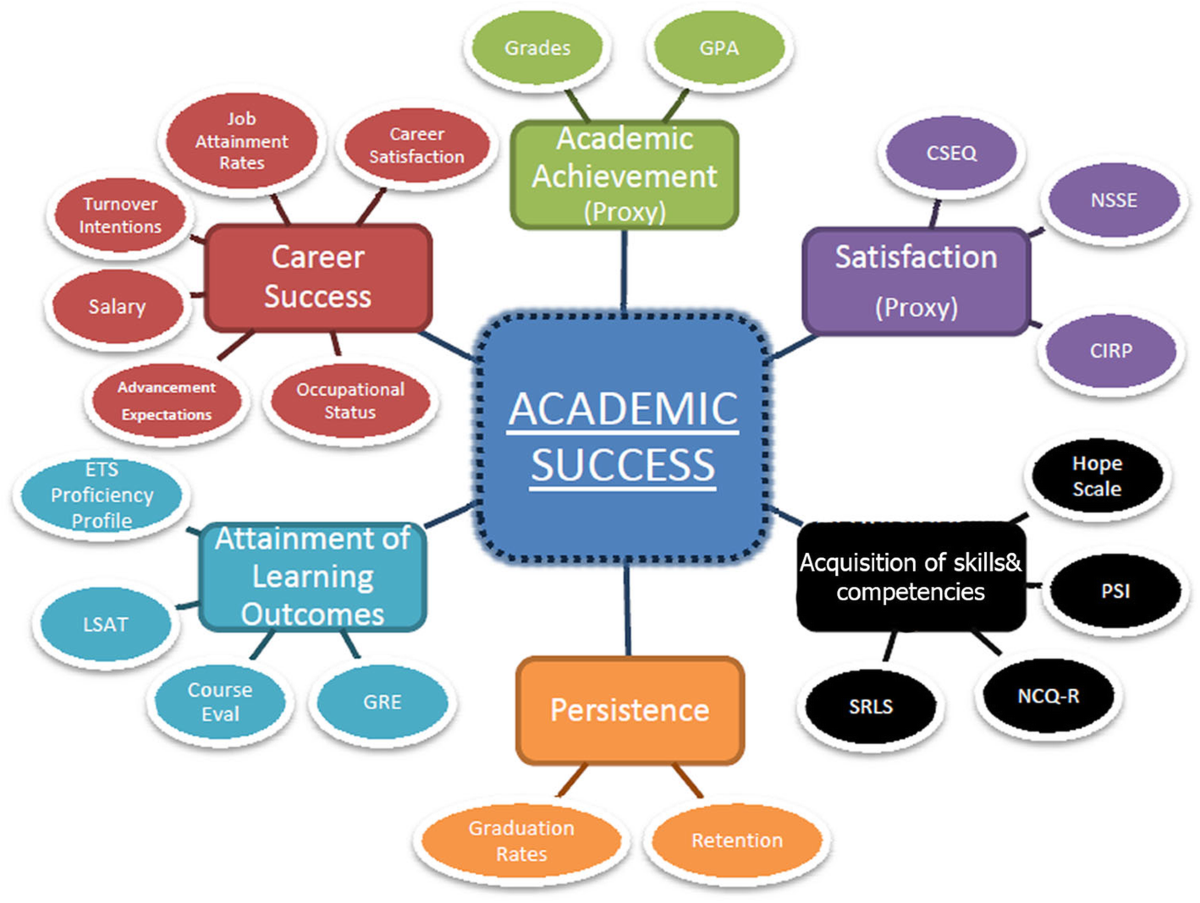
Strategies for Academic Success
Proven Tips
- Maintain consistent study habits and time management
- Engage actively in classes, seminars, and workshops
- Participate in research projects and internships
- Join student organizations and cultural clubs
- Seek guidance from faculty, mentors, and alumni
Implementing these strategies enhances academic performance and prepares students for successful careers.
Frequently Asked Questions (AEO Section)
Which universities are top-ranked in Japan?
University of Tokyo, Kyoto University, and Osaka University are consistently ranked at the top.
Do universities offer online programs?
Yes, many universities provide online, hybrid, and part-time options to accommodate diverse student needs.
What factors determine university rankings?
Research output, faculty quality, student outcomes, and international reputation are key factors.
How can students succeed academically in top universities?
Maintain strong academic performance, participate in research, engage in extracurriculars, and utilize mentoring and advising resources.

Conclusion
Understanding 大学ランキング provides students with insights into university quality, program offerings, and career opportunities. By leveraging academic resources, engaging actively, and applying effective strategies, students can achieve academic success and thrive in top-ranked universities in Japan and globally.